Arabic
 French
 Deutsch
 Urdu
Urdu Pashto
 Swahili
 Hausa
Hausa

Fatwa, Public Welfare, and Contemporary Human Concerns
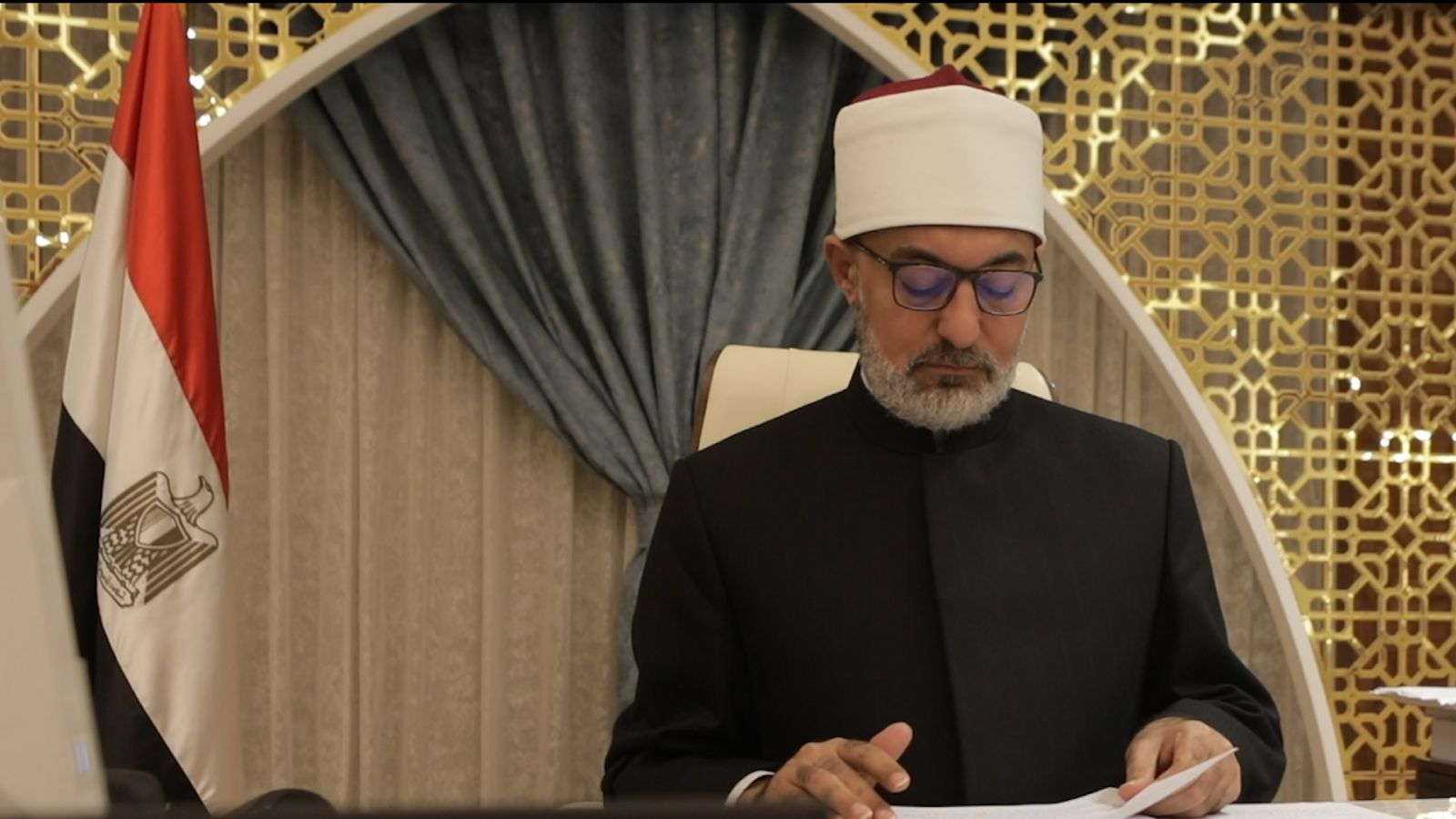
Dr. Nazir Ayyad
Egypt’s Grand Mufti
President of the General Secretariat for Fatwa Authorities Worldwide
In a world characterized by accelerating social, economic, and technological change, religious guidance can no longer operate in isolation from lived human realities. Within this context, the official institution of fatwa has assumed an increasingly vital role, evolving from a reactive legal response into a dynamic, knowledge-based, and institutional framework that engages directly with contemporary human challenges. To this effect, the modern fatwa functions as a bridge between Islamic legal texts and the complex demands of present-day life.
Today, fatwa is no longer limited to answering individual questions of permissibility and prohibition. Rather, it has become an essential mechanism for promoting social stability, safeguarding human dignity, and fostering ethical awareness within societies. By integrating the principles of Islamic jurisprudence with an informed understanding of reality, fatwas contribute to the construction of balanced solutions that respond effectively to evolving human needs.
Among the most pressing contemporary issues addressed through fatwa is the challenge of poverty and social inequality. In this regard, scholarly engagement emphasizes the transformative role of fatwa in activating institutions such as zakat and waqf (religious endowments) as tools of organized social solidarity. Sound jurisprudential guidance has enabled a shift from temporary charitable relief toward sustainable human development.
Financial acts of worship—including zakat, voluntary charity, endowments, expiations, and vows—are increasingly directed toward education, vocational training, and the support of small and medium-sized enterprises. This approach promotes economic empowerment, allowing marginalized individuals to move from dependence to self-sufficiency and productive participation in society.
The intersection between fatwa and human reality also extends prominently into the field of contemporary healthcare, which represents one of the most complex arenas of modern ijtihad. Advances in medical science have raised ethical and legal questions concerning vaccinations, organ transplantation, genetic therapies, cosmetic medicine, and the use of artificial intelligence in healthcare. Addressing these issues requires collective and interdisciplinary reasoning that brings together jurists, physicians, and scientific experts. Within this framework, fatwa serves as a mediating force between the higher objectives of Islamic law—particularly the preservation of life—and the rapidly expanding horizons of modern medicine.
By aligning religious guidance with scientific knowledge, fatwas help facilitate access to treatment, support patients and healthcare providers, and counteract misinformation and medical rumors that threaten public health. In doing so, they reinforce trust in both religious institutions and scientific practices, contributing to social cohesion and collective well-being.
Furthermore, disciplined and institutionally grounded fatwas play a crucial role in protecting societies from intellectual disorder and the misuse of religious authority. Unregulated religious opinions can foster confusion, extremism, and societal fragmentation. Therefore, contemporary efforts in the field of fatwa aim to establish clear professional standards, ethical frameworks, and methodological guidelines that enhance the credibility and humanitarian impact of religious discourse.
At an institutional level, initiatives led by Egypt’s Dar al-Ifta reflect a broader commitment to promoting balanced, collective ijtihad that is attentive to consequences and grounded in both textual authenticity and contextual awareness. Strengthening cooperation among fatwa bodies, academic institutions, and research centers at regional and international levels ensures the issuance of responsible fatwas capable of addressing global and local challenges alike.
The intersectionality between fatwa and contemporary human issues underscores the evolving nature of Islamic legal reasoning in the modern world. When practiced through sound methodology, institutional coordination, and interdisciplinary engagement, fatwa remains a powerful instrument for addressing human suffering, advancing social justice, and preserving ethical integrity in an ever-changing global landscape.
Within this institutional framework, the second international symposium, to be held in Cairo on 15–16 December 2025, Egypt’s Dar al-Ifta seeks to entrench a model of sound, institutionalized ijtihad and to strengthen frameworks of cooperation among fatwa authorities, academic institutions, and research centers at both regional and international levels. This institutional approach aims to ensure the issuance of rigorously grounded fatwas that are attentive to consequences, safeguard human dignity, promote societal stability, and reinforce intellectual security.
The symposium forms part of a broader continuum of scholarly and intellectual initiatives organized by Dar al-Ifta of Egypt, reflecting its sustained commitment to fostering dialogue, expanding channels of communication, and consolidating the role of institutional fatwa in addressing contemporary realities. Among the most prominent recent milestones within this framework was the celebration of the 130th anniversary of the establishment of Dar al-Ifta, an occasion that embodied a rich legacy of scholarly contribution, moderation, and principled engagement with national and human concerns. This legacy continues to affirm Dar al-Ifta’s pivotal role in serving society and advancing balanced religious awareness at the national, regional, and international levels.